An indoor plant can bring a little life to an ordinary corner, but no label makes a plant thrive without the right conditions. Rather than starting with a fashionable species, spend a day observing where light falls, how warm the area becomes and how often you can realistically water.
Watch your windows, not just the compass
In Australia, north-facing windows often receive substantial sun, but the actual light depends on awnings, neighbouring buildings, trees and seasonal changes. A bright room may still have a dim corner three metres from the glass. Observe the area during the morning, midday and afternoon, and note whether leaves would receive direct sunlight.
Some plants tolerate lower light, but 'low light' rarely means no natural or suitable artificial light at all.
Match the plant to your routine
If you travel often or forget to water, choose a plant with care needs that suit your schedule. If you love checking pots, a more moisture-sensitive plant may be enjoyable. Read species-specific information rather than relying on a generic watering rule: different containers, potting mixes and room temperatures change how quickly soil dries.
Make sure the pot drains appropriately and protect surfaces from water damage.
Plan for pets and children
Some common houseplants can be harmful if chewed or swallowed. Check a reliable plant-toxicity reference for the exact species before bringing it home, and keep risky plants out of reach where necessary. Even a non-toxic plant can become a safety issue if a heavy pot falls or potting mix is accessible to a small child.
If a pet may have eaten a harmful plant, seek veterinary advice promptly.
Give a new plant time to settle
Look for healthy leaves, appropriate roots and signs of pests before buying. When it arrives home, place it in a suitable location rather than immediately repotting, fertilising and shifting it repeatedly. Plants respond to changes in light and watering over time; monitor the soil and foliage without assuming every dropped leaf means disaster.
Keep an eye out for fungus gnats or other pests so they do not spread to nearby pots.
Style with the container as well as the leaves
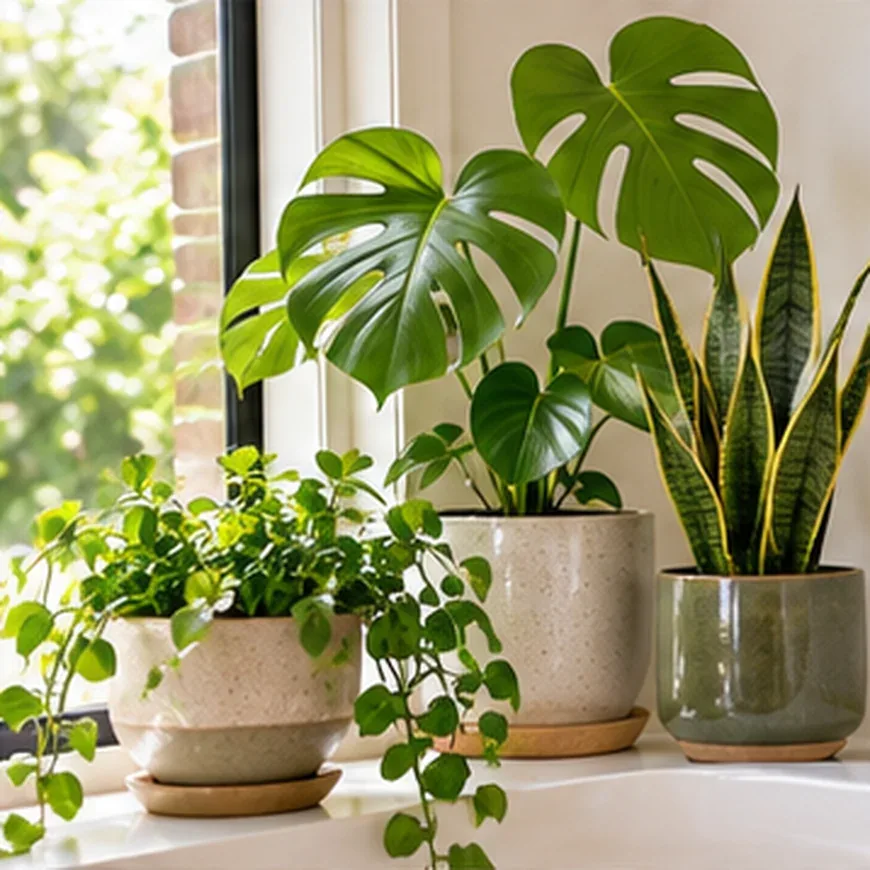
A simple pot in a material that suits your room can be enough. Cluster plants with similar care requirements if that makes watering easier, but leave room for air movement and cleaning. One healthy plant is a better starting point than a large group you cannot maintain.
Spend one day checking your preferred plant spot at different times. Buy for those conditions, the care routine and the safety of your household.
LivingSpot articles provide general information. Consider your household, the property and current local safety requirements. Get appropriate professional advice for building, electrical, plumbing or other regulated work. Images are editorial illustrations of home settings, not evidence of completed LivingSpot projects.