Summer comfort isn't always about turning the air conditioner down another degree. In many homes, sunlight through windows, heat stored in surfaces and the timing of ventilation all affect how the rooms feel. Small actions can help, although extreme heat and individual health needs can require more substantial cooling and official advice.
Keep direct sun out where practical
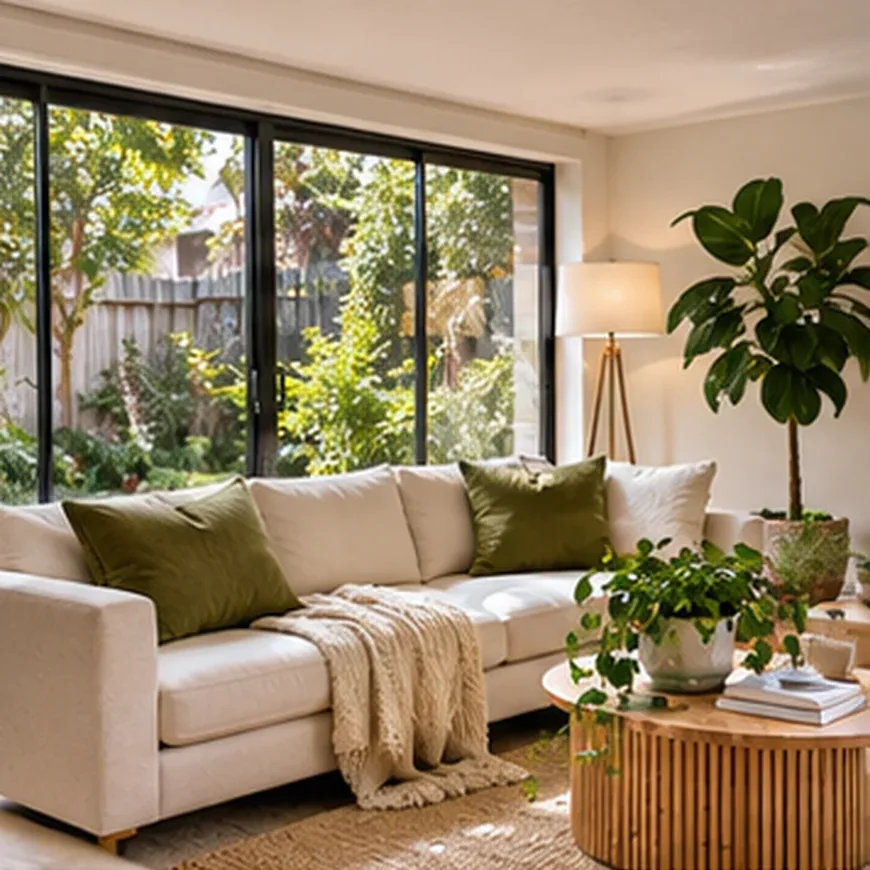
Pay attention to the windows receiving strong morning or afternoon sun. Suitable blinds, curtains, external shading or existing awnings can help reduce unwanted heat gain. External changes may require property-owner or strata approval, and any installed shading must be safe for wind and local conditions.
Keep emergency exits, ventilation requirements and access to windows in mind. A completely dark room is not necessarily the most comfortable or practical outcome.
Use ventilation when outside air is suitable
On a cooler evening or morning, opening suitable windows can help air move through the home. When the outside air is hotter, smoky or otherwise poor quality, opening every window may make matters worse. Check local conditions and use screens and safe openings as appropriate.
Fans move air and can improve comfort in some circumstances, but they do not cool the air itself and have limitations during extreme heat. Follow current public health advice when conditions are dangerous.
Choose cooling strategies that fit the building
If you use air conditioning, follow its maintenance and operation guidance, clean filters as instructed and avoid obstructing airflow. Portable units and fans differ in performance, installation requirements and electricity use. Before buying anything, identify the size of the area and the actual problem you need to solve.
For energy-efficiency upgrades or electrical changes, consider reliable government guidance and qualified professionals.
Reduce unnecessary indoor heat
When practical, plan heat-producing tasks for cooler times of day. Ensure cooking equipment and appliances are used safely and ventilation is appropriate. Keep fridge seals and cooling equipment in good condition. Simple housekeeping can help, but it will not make an unsafe hot room safe for vulnerable occupants.
If you or someone at home is at risk from heat, prioritise a reliably cool place and appropriate health advice.
Make a plan for severe days
Check Bureau of Meteorology forecasts and local heat warnings. Identify an appropriate cooler location if your home becomes difficult to keep safe, and consider household members with increased vulnerability. Do not rely on decorating tips as a heat-health strategy during a heatwave. Emergency and health services should be used when needed.
Observe which windows heat up the rooms, check suitable shading and plan ventilation around actual outside conditions. During extreme heat, safety comes before energy savings.
Further reading and official sources
LivingSpot articles provide general information. Consider your household, the property and current local safety requirements. Get appropriate professional advice for building, electrical, plumbing or other regulated work. Images are editorial illustrations of home settings, not evidence of completed LivingSpot projects.