Most maintenance isn't exciting, and some jobs absolutely belong to licensed tradespeople. But a routine visual check can help you notice a sticking window, a blocked outdoor drain or a damaged flyscreen before it becomes inconvenient. Use the change of seasons as a reminder to look—not as an invitation to take on unsafe repairs.
Start with doors, windows and seals
Check that doors and windows open and close as intended and that accessible seals appear intact. Notice drafts, broken screens or visible gaps where insects enter. If something is loose or damaged, record the issue and decide whether it requires a suitable tradesperson.
For a rental property, report maintenance issues through the appropriate process instead of making unapproved changes.
Look for moisture where it should not be
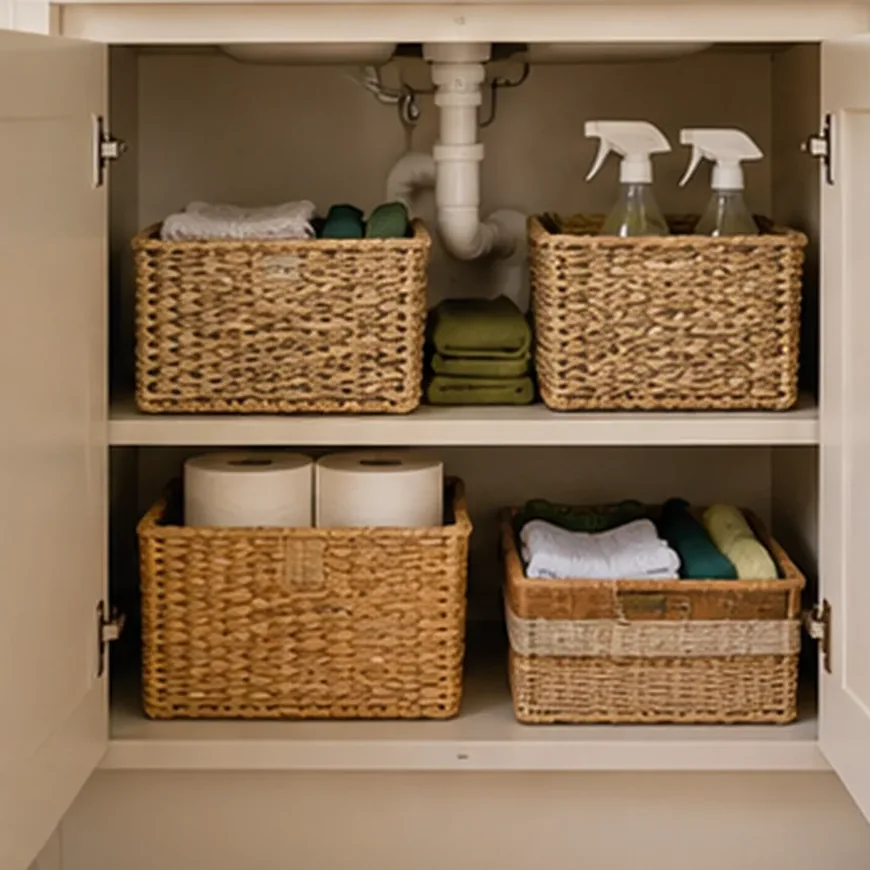
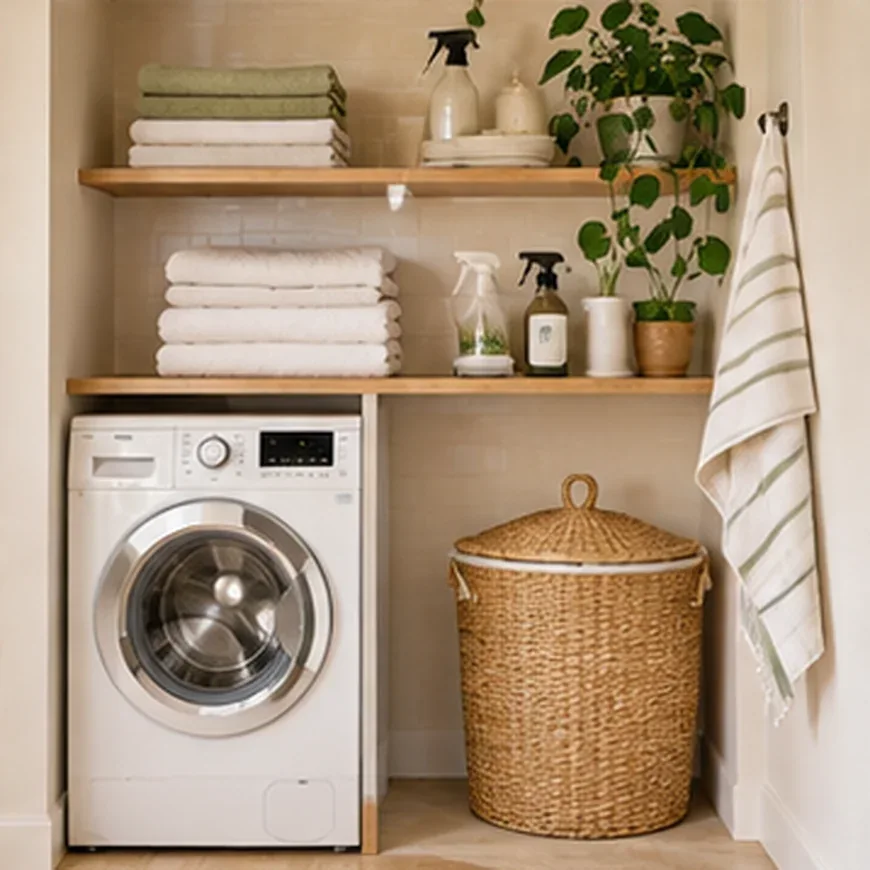
Inspect visible areas under sinks, around taps and near laundry connections for signs of drips or dampness. Don't disassemble plumbing or reach into inaccessible spaces. A small stain can be a clue worth investigating professionally rather than covering over.
Good ventilation and timely attention to leaks can help protect finishes, but persistent damp or mould may require specialised advice and remediation.
Check outdoor drainage from a safe position
Look for leaves or debris around easily accessible surface drains, and note water that pools near the building. Avoid climbing on roofs or ladders to clear gutters; falls can be serious. Arrange qualified or appropriate maintenance for elevated, complex or unsafe jobs.
Before storm season, make sure loose outdoor items can be safely secured and keep up with local weather alerts.
Review alarms and essential safety equipment
Follow your state's requirements and the manufacturer's directions for smoke alarms, including testing and replacement arrangements. Know who is responsible for testing and maintenance in your type of housing. Avoid making changes to electrical, gas, fire-safety or structural systems yourself.
Keep access to exits and important safety equipment unobstructed.
Write a short action list, then stop
Divide observations into something you can clean safely, something to report and something that needs a licensed professional. Photograph issues with a date for reference. The point of the check is to identify what matters, not to turn a Saturday morning into an improvised renovation.
Walk through with three headings on paper: notice, report and book a professional. Keep DIY work strictly within your skills and legal permissions.
LivingSpot articles provide general information. Consider your household, the property and current local safety requirements. Get appropriate professional advice for building, electrical, plumbing or other regulated work. Images are editorial illustrations of home settings, not evidence of completed LivingSpot projects.