A new cabinet should solve an existing storage problem, not create another surface for clutter. Before shopping, list what needs a home and measure where the piece will sit. A beautiful sideboard with awkward drawers won't help much if the main problem is storing tall cleaning bottles.
List the actual contents
Write down the items the furniture must hold, including their approximate sizes and how often you use them. Books, shoes, board games and linen each need different shelf dimensions. If you can, group the contents together to see the total volume before estimating the furniture size.
Avoid buying a storage piece first and inventing a reason for it afterwards.
Measure the usable internal dimensions
Retailers often highlight overall width, depth and height, but the interior dimensions determine what fits. Ask about drawer depth, shelf adjustments, hinges and clearance for doors. A shallow cabinet can be ideal for a hallway yet impractical for bulky appliances.
Remember to allow space to open drawers and walk around the furniture when it's in use.
Prioritise stability and safety
Tall and heavy furniture can pose a serious tip-over risk. Check the manufacturer's anchoring instructions and relevant Australian product-safety guidance. Keep heavy items low and avoid units that can be climbed. Renters should discuss safe anchoring options with the property owner rather than leaving a dangerous unit unsecured.
Never use furniture as a climbing aid unless it is specifically designed and rated for that purpose.
Choose visibility or concealment deliberately
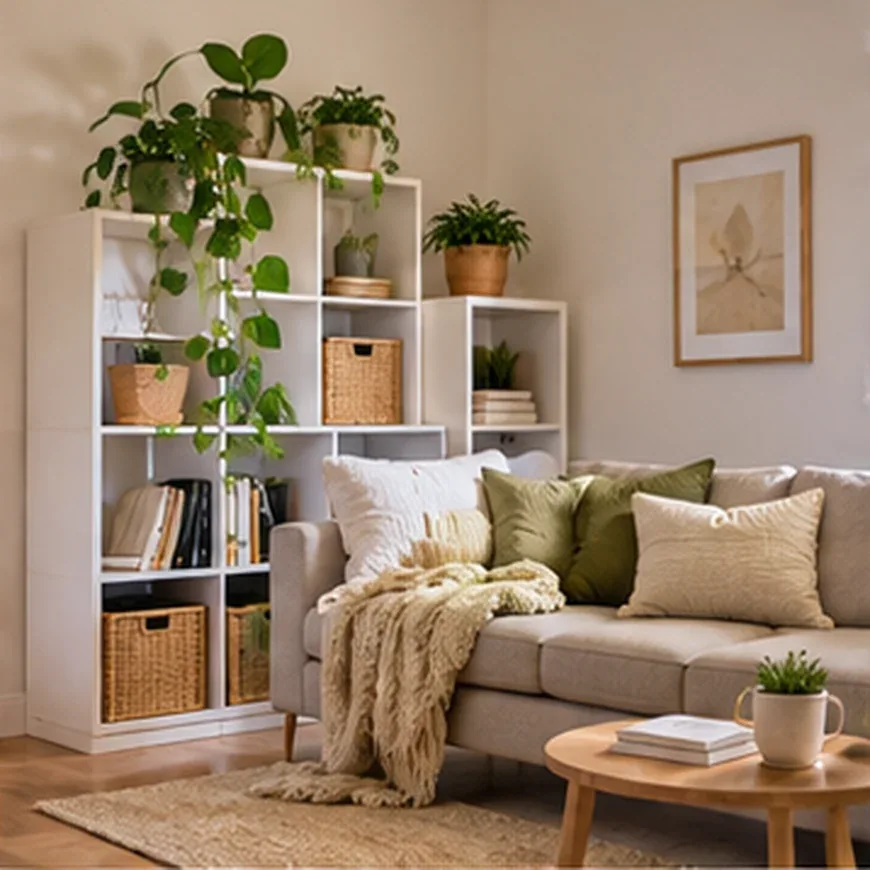
Open shelving works well for items you want to access and don't mind seeing. Closed storage can quiet a busy room, but it may hide things you forget you own. Baskets can help smaller objects stay grouped, provided the labels are simple and the containers are easy to remove.
A mix of open and closed storage often feels more useful than either extreme.
Compare longevity, not just the price
Look at construction, finish, replaceable hardware and whether shelves can be adjusted as your needs change. Second-hand furniture may offer good value, but inspect stability, damage and any relevant safety issues. Buy the smallest piece that fits the contents with some room to spare.
Measure the objects first, then internal shelf space and door clearance. Check stability and anchoring guidance before considering style.
Further reading and official sources
LivingSpot articles provide general information. Consider your household, the property and current local safety requirements. Get appropriate professional advice for building, electrical, plumbing or other regulated work. Images are editorial illustrations of home settings, not evidence of completed LivingSpot projects.