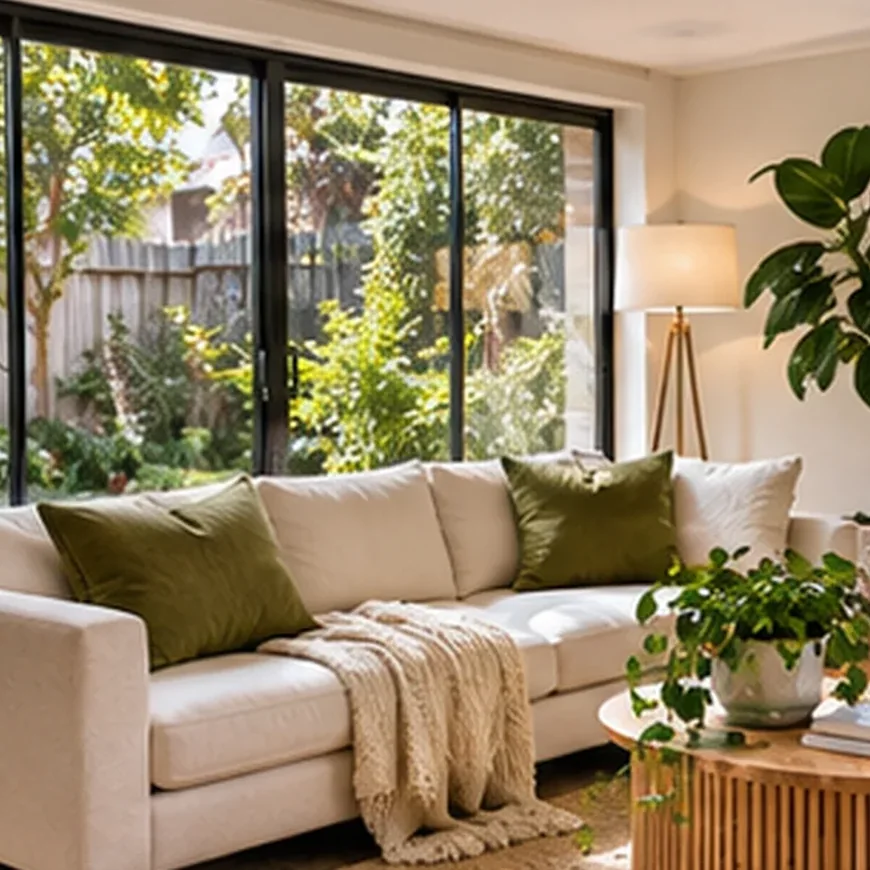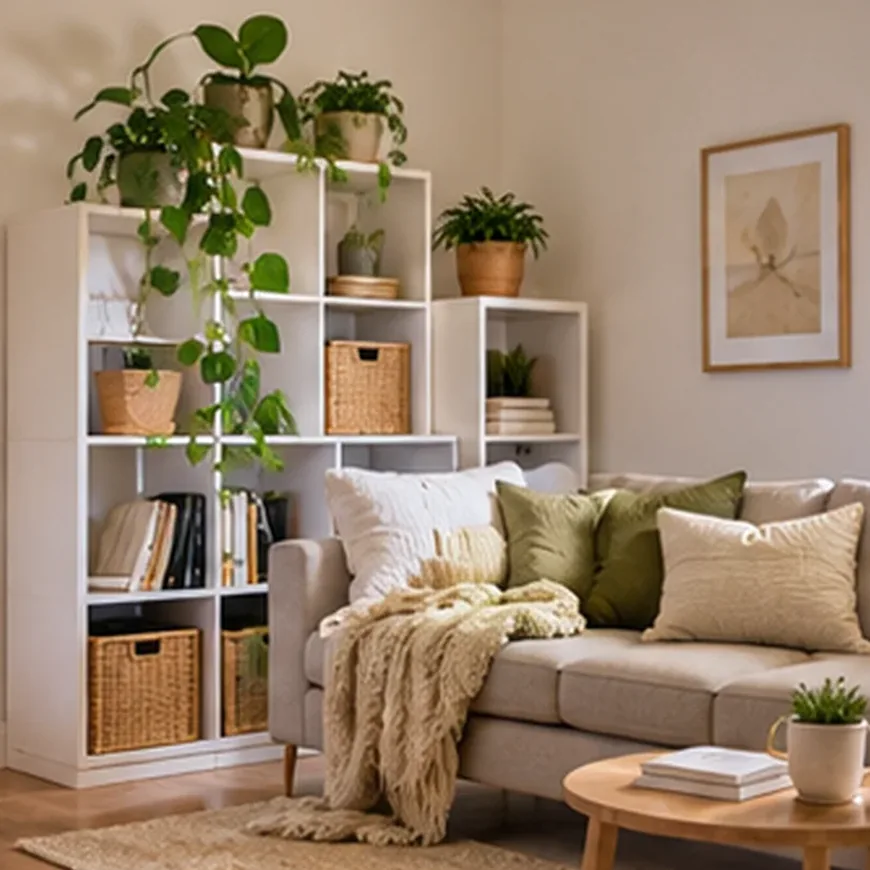
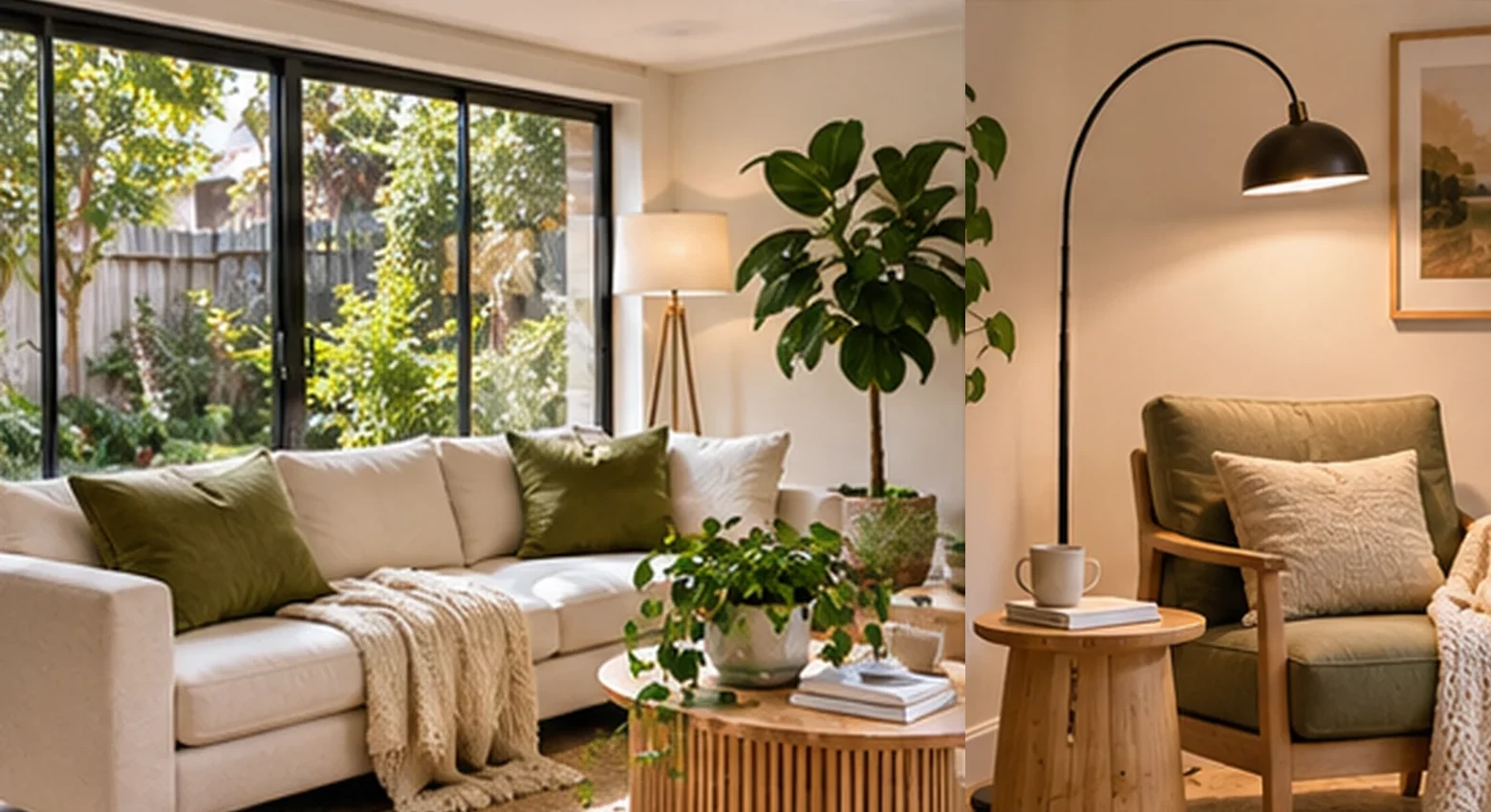
Before you start saving pictures of entirely new living rooms, look at the one you already have. The sofa might be perfectly good. The awkward feeling may come from a blocked walkway, a lamp in the wrong corner or things that never found a proper home. A considered refresh begins with the space as it is—not a shopping basket.
Start with the way the room is used
Make a quick list of what actually happens here: television, conversations, children's play, reading, working or an evening cup of tea. A room that handles four jobs needs different priorities from a formal sitting room. Notice where people naturally sit, where they put down a drink and which paths they take to the door. These observations are more useful than copying a layout from a photograph.
Before moving furniture, clear the floor and spend ten minutes removing items that belong elsewhere. You will be able to judge the available space much more accurately.
Move the furniture before buying anything
Try bringing a coffee table within comfortable reach or shifting an armchair to create a conversation area. Leave an easy path through the room and check that drawers and doors can fully open. If the sofa is pushed hard against a long wall, even a small adjustment to the angle of a side table may change the balance.
Use painter's tape or sheets of paper to test a possible layout before moving heavy pieces. Lift with assistance where needed, and never drag something that could damage the floor or become unstable.
Work with light and texture
See what happens when the window covering is opened fully during the day. A lamp near a reading chair can make the evening feel softer than one bright ceiling light. If a lamp is poorly positioned, moving it may be more effective than buying a new shade. Keep electrical fittings safely placed and avoid overloaded power boards.
Texture does a lot of quiet work. Try a throw you already own, a cushion cover in a different weave or a timber tray that collects small items. You need not match everything; a little variation makes a neutral room feel lived-in.
Give the eye somewhere to rest
Not every surface needs a display. Pick one area—the coffee table, a bookcase or a sideboard—to hold a small arrangement and leave the rest clearer. If you have several small ornaments, grouping them can read as more intentional than scattering them around the room.
Think about scale. A very small picture can disappear above a large sofa, while an oversized display can overwhelm a compact nook. Test positions with paper templates before hanging anything, and confirm appropriate fixings and permissions.
Spend only where the change will matter
Live with the rearranged room for a few days. You may find the only thing missing is a better task light or a washable cushion cover. Write down the problem you want a purchase to solve, measure the intended spot and check the retailer's return policy. Keeping the sofa can make room in the budget for something genuinely useful rather than another impulse buy.
Try the no-spend version first: clear one surface, shift one piece of furniture and test the lighting after dark. Make a shopping list only after you have lived with those changes.
LivingSpot articles provide general information. Consider your household, the property and current local safety requirements. Get appropriate professional advice for building, electrical, plumbing or other regulated work. Images are editorial illustrations of home settings, not evidence of completed LivingSpot projects.