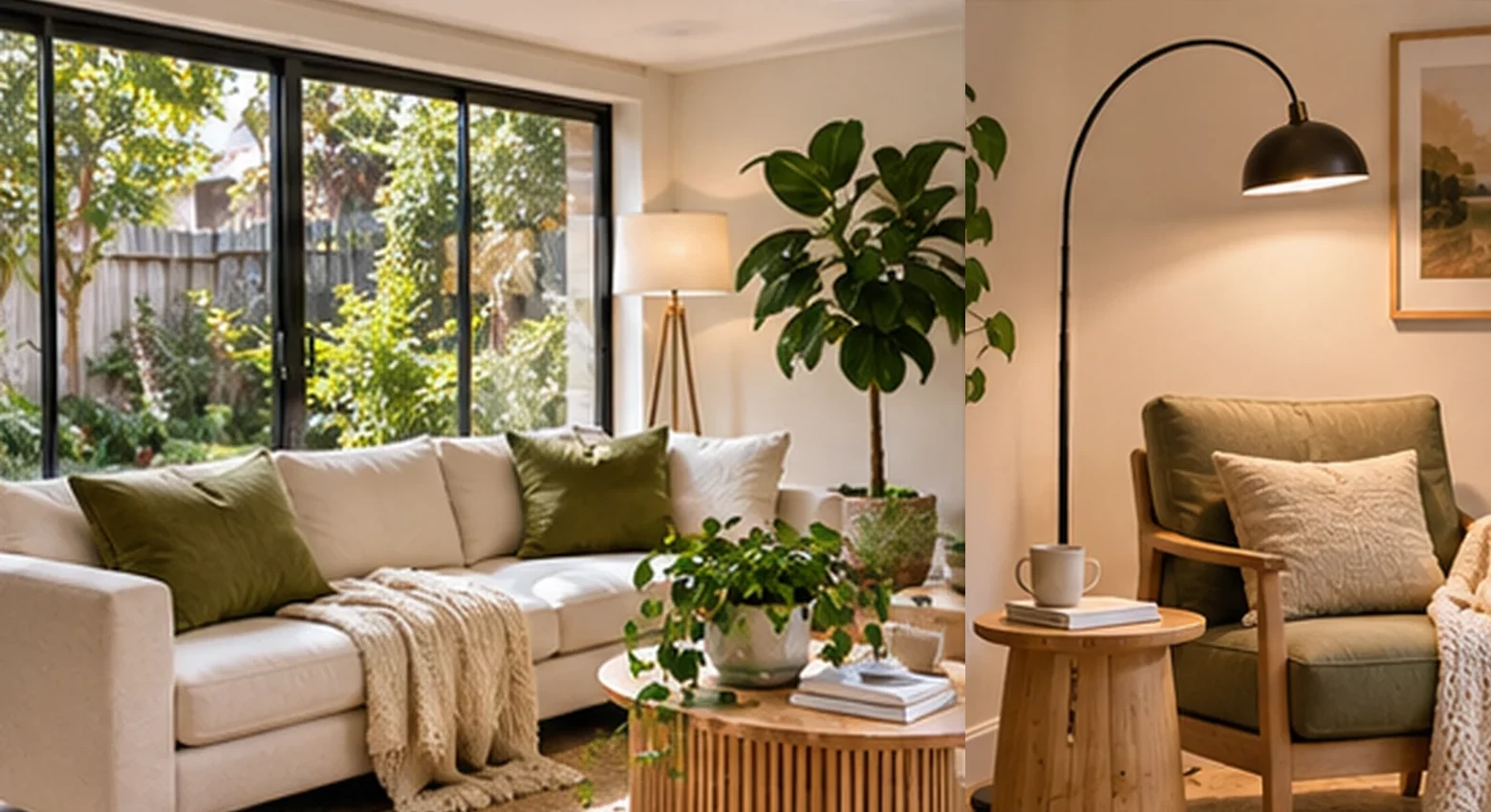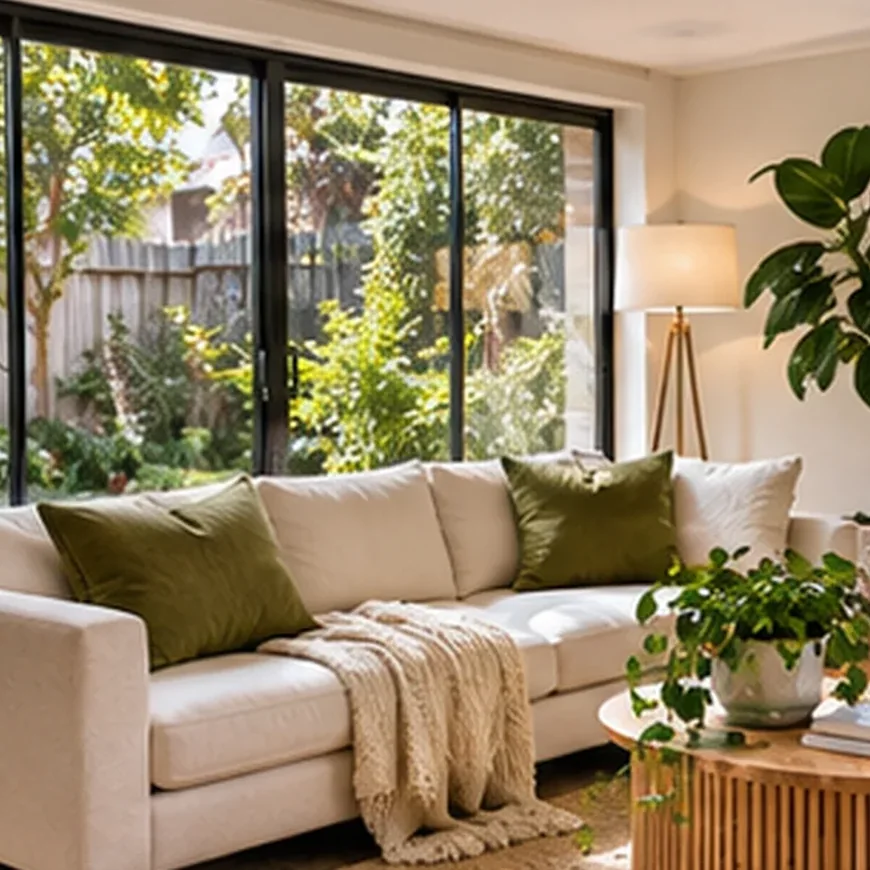
Renting doesn't have to mean living with a room exactly as you found it. It does mean thinking carefully about permissions, surfaces and what can be removed when you move. A more personal home often comes from portable pieces and good layout decisions rather than permanent alterations.
Know the boundaries before you start
Rules for changes to a rental property vary by state and territory and by the work proposed. Review your tenancy agreement and seek any required written permission before drilling, painting, installing fittings or changing window treatments. Do not assume a product advertised as 'renter friendly' is automatically permitted or harmless to paint.
Check official state or territory tenancy information for current requirements, particularly if you plan to make an alteration beyond ordinary furniture placement.
Use furniture to define the room
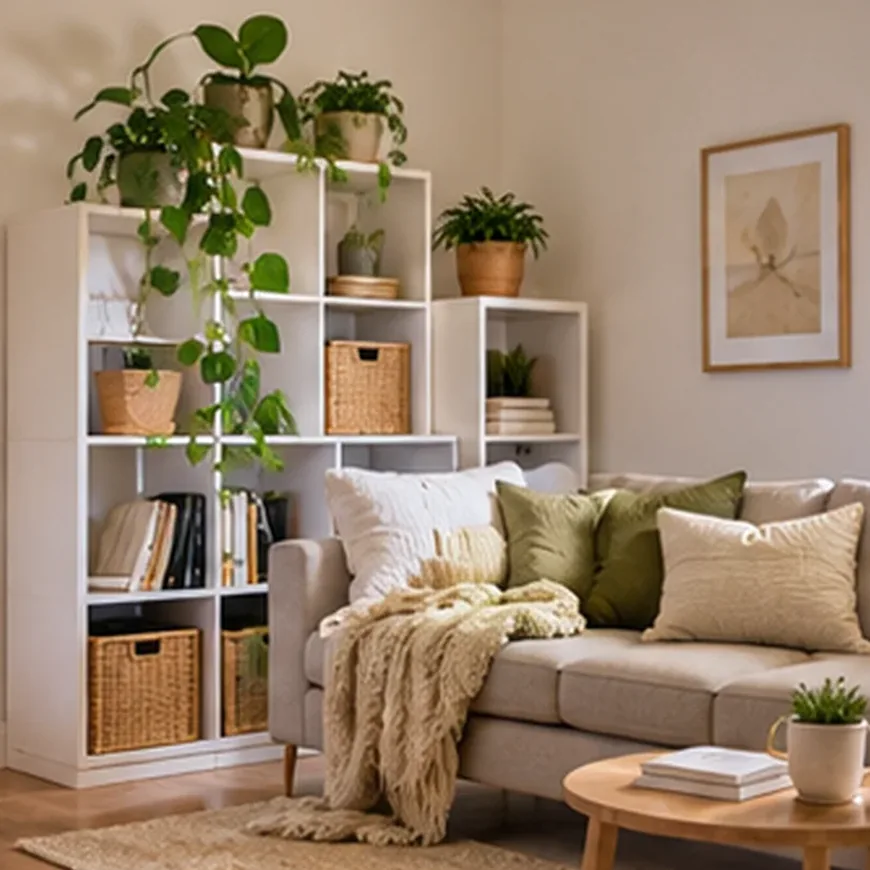
A freestanding bookcase, well-chosen rug and thoughtfully placed lamp can establish a feeling of home without altering walls. Prioritise pieces you can transport to another property and that fit through doors and stairwells. Be especially careful with tall storage units: anchoring may be necessary for safety, so confirm how to manage this in your circumstances.
Avoid blocking exits, ventilation or access to electrical equipment as you place furniture.
Try colour in movable layers
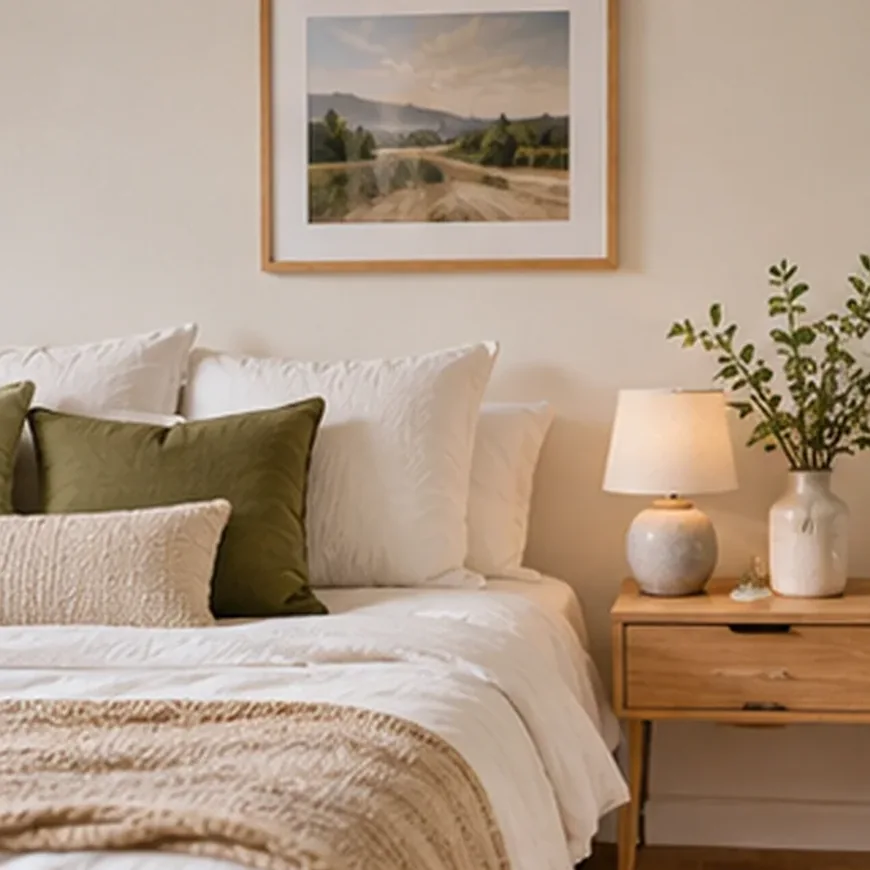
You can get a strong sense of colour from cushions, bedding, towels, a tablecloth or artwork propped on a suitable surface. Choose two or three colours that connect with the fixed finishes you cannot change. If the kitchen has cool grey cabinetry, for instance, warm timber and olive textiles can create a softer contrast.
Because these details move with you, they can be a better investment than permanent improvements to somebody else's property.
Treat adhesives with caution
Removable hooks, strips and peel-and-stick products still carry a risk of paint damage or residue. Follow the product instructions, weight limitations, test guidance and any property rules. For heavy or fragile objects, use a safer freestanding display rather than relying on adhesive.
Never attach items where failure could hurt someone. If a fixture is essential, permission and an appropriate installer may be the better path.
Make a moving-day inventory
Keep packaging and receipts for pieces you expect to take with you, and photograph how any reversible additions were installed. Store original fittings safely if permission allows a temporary swap. A home that feels personal while remaining straightforward to move out of is a practical form of good design.
Focus your first budget on portable lighting, an appropriately sized rug and useful storage. Always confirm permissions before changing the property itself.
LivingSpot articles provide general information. Consider your household, the property and current local safety requirements. Get appropriate professional advice for building, electrical, plumbing or other regulated work. Images are editorial illustrations of home settings, not evidence of completed LivingSpot projects.