A room can look perfectly pleasant at midday and strangely flat after sunset. Usually the problem isn't that it needs a more expensive fitting; it needs light in the places where people actually do things. Thinking in three layers—general, task and accent—can help you notice what is missing before you buy a lamp.
Begin with general light
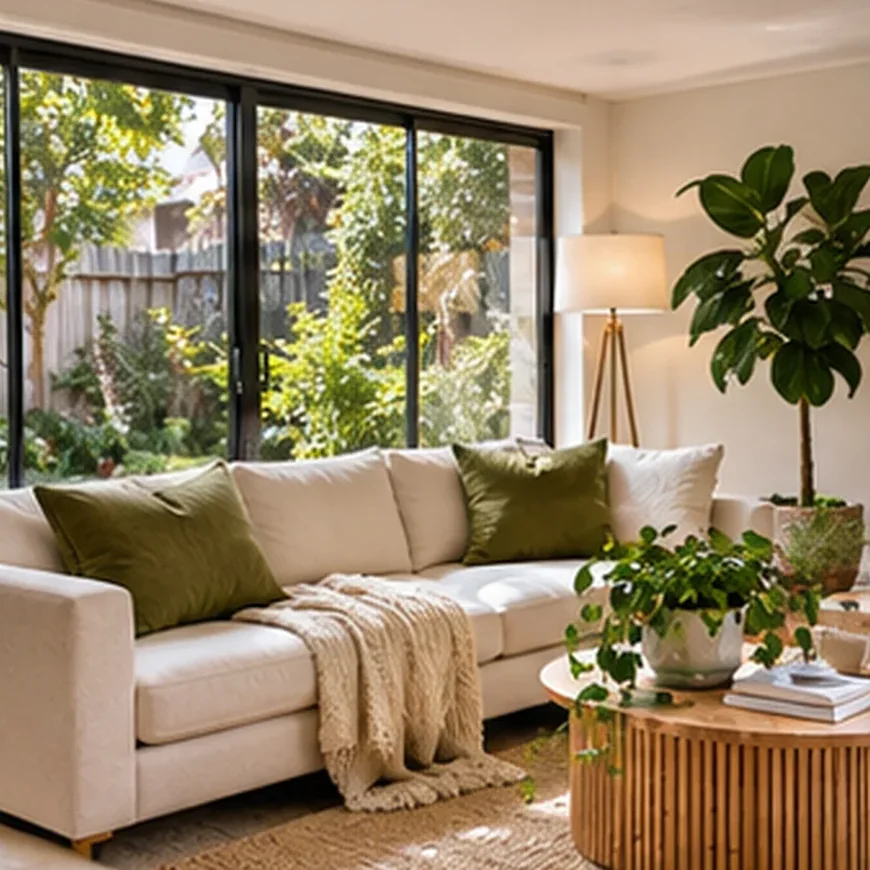
General or ambient light makes it possible to move around and use a room safely. It might come from ceiling lights, wall lights or daylight during the day. Stand at the doorway in the evening and notice the darkest routes, especially near stairs or changes in floor level. Light should make those areas easy to navigate without creating uncomfortable glare.
If existing wiring or fittings need changing, employ a suitably licensed electrician. A decorating article cannot substitute for electrical safety advice.
Place task light where the task happens
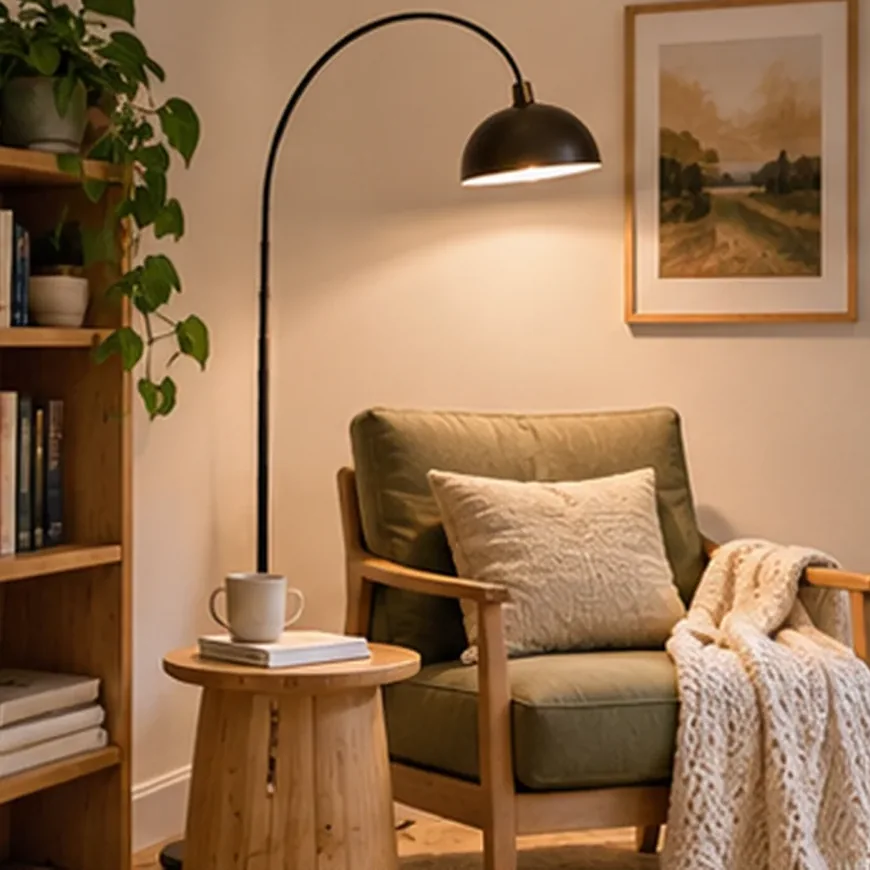
A reading chair may need a lamp aimed towards a book. A kitchen bench benefits from good visibility for chopping and preparation. A desk needs enough light to work comfortably without screen reflections. The useful question is where your eyes and hands need to see detail, not how many lamps a room ought to contain.
Try moving an existing lamp or adjusting a shade before shopping. Use appropriate bulbs and do not exceed fitting ratings.
Use accents to add depth
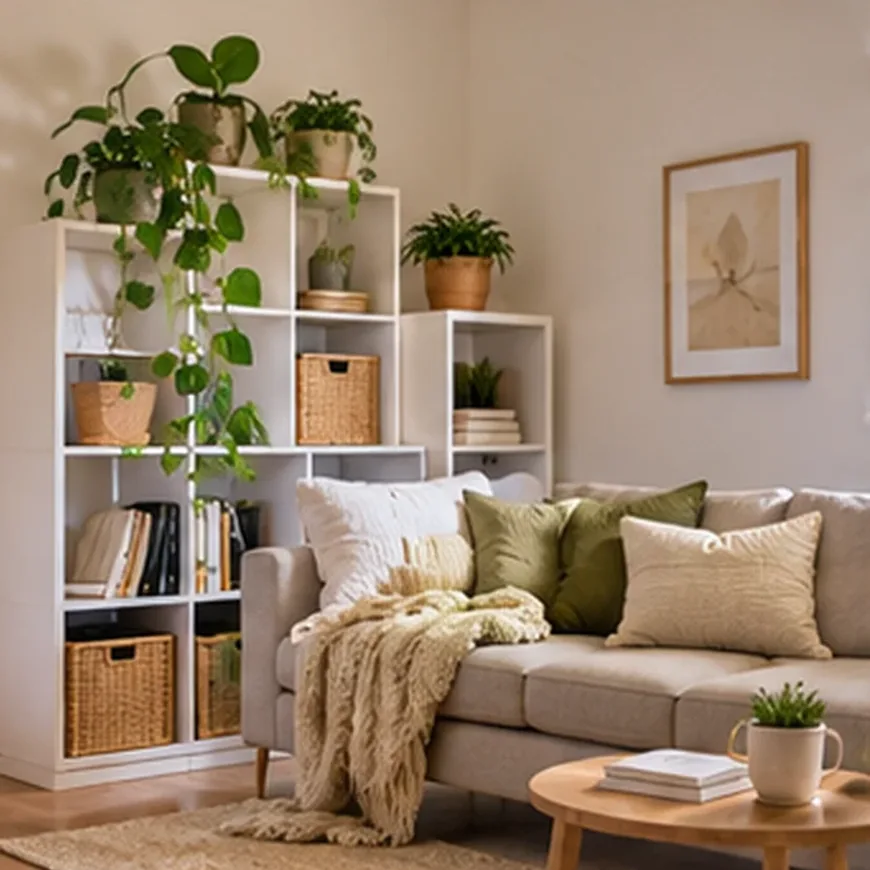
Accent lighting draws attention to a shelf, artwork, wall texture or quiet corner. It is the least essential layer but can make a room feel more considered. A small warm-toned lamp on a sideboard may be enough. Keep candles away from flammable materials and never leave a flame unattended; an electric alternative may be safer in many homes.
You don't have to light every decorative object. A little shadow can make a space feel restful.
Check warmth, brightness and glare
Light bulbs differ in colour appearance and brightness. Many people prefer a warmer look for relaxation spaces and clearer task lighting where detail matters. Test how the light falls on surfaces and faces, not just how the bulb looks in its packaging. If one fitting is glaring from the sofa, a shade or a different position may solve the issue.
Keep floor cords out of walking routes and position lamps so they cannot tip easily.
Build the room up slowly
Turn on only one light at a time and ask what job it does. If two lamps make exactly the same area bright but neither reaches the reading chair, move one. Good lighting feels effortless because the useful areas are illuminated and the rest doesn't compete for attention.
After dark, switch on each lamp separately and name its job: general, task or accent. Fix the missing job before buying another light.
LivingSpot articles provide general information. Consider your household, the property and current local safety requirements. Get appropriate professional advice for building, electrical, plumbing or other regulated work. Images are editorial illustrations of home settings, not evidence of completed LivingSpot projects.